“Each of you should use whatever gift you have received to serve others, as faithful stewards of God’s grace in its various forms.” 1 Peter 4:10 (NIV)
A couple of weeks ago, I was helping my daughter paint a room in her house.
As we were getting everything ready, she looked at the white baseboards and then at the can of dark gray paint.
“Should we tape the baseboards?” she asked.
I smiled. That’s not a question I would have expected years ago. Most people automatically reach for the masking tape before they ever open a paint can. But after years of painting on mission trips, I almost never use it.
Years ago, before one of our youth mission trips, a family from our church who owned a professional painting business volunteered to teach us how to paint. I expected them to show us how to roll paint on a wall. Instead, they taught us something completely different—they taught us how to paint.
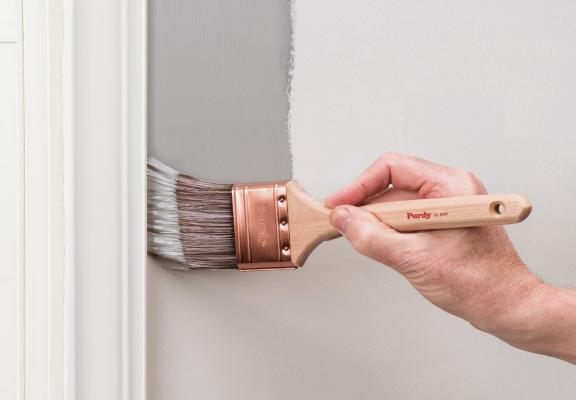
They showed us techniques professionals use, including the art of “cutting in” with a brush instead of relying on masking tape. At first, it seemed harder, but once we learned the right technique, it was actually faster, cleaner, and produced much better results.
Before someone took the time to teach us, we were getting the job done—but we were making a mess in the process. Paint ended up where it didn’t belong, our lines weren’t straight, and we spent more time fixing mistakes than painting.
I’ve been thinking about that lesson lately because it reminds me of what happens in many churches when it comes to disability ministry.
Most churches genuinely want to welcome children with disabilities. Their hearts are in the right place. But wanting to help and knowing how to help are two very different things.
Without training, volunteers can quickly become overwhelmed. A child may struggle, the volunteer may feel like they’ve failed, and the family may begin to wonder if there is really a place for their child at church.
Sadly, I’ve met far too many families who have been asked to leave a church because the church didn’t know how to support their child. I’ve also seen churches that lovingly care for children with disabilities but have nothing available once those children become teenagers or adults.
“On the contrary, those parts of the body that seem to be weaker are indispensable.” 1 Corinthians 12:22 (NIV)
The problem usually isn't a lack of compassion.
It's a lack of training.
Just like painting, good intentions can only take you so far. Sometimes all someone needs is for an experienced person to come alongside them and say, “Let me show you how.”
I’ve seen this from both sides. As the mother of a son with significant disabilities and someone who has served in disability ministry for years, I’ve seen the hurt families experience when a church doesn’t know how to help. But I’ve also seen what can happen when churches are equipped.
Volunteers gain confidence.
Families begin to trust.
Individuals with disabilities are given opportunities to participate and belong.
And the church becomes stronger because everyone has a place.
That’s why I created the Disability Ministry Buddy Training Manual.
I created it first and foremost as a practical training resource for churches to use when preparing volunteers to serve as buddies to children, teens, and adults with disabilities.
My hope is that it will equip and encourage churches of every size—from small churches with only a few volunteers to large churches with established disability ministries. Every person is unique, and no manual can prepare a volunteer for every situation. But good training can give volunteers a strong foundation and help them understand how to respond with compassion, patience, and confidence.
You don’t have to know everything before you begin. You need a willing heart, a desire to learn, and someone willing to teach you.
Disability ministry isn’t simply about meeting special needs; it’s about recognizing that every person has a place in the Body of Christ.
Throughout His ministry, Jesus noticed people others overlooked. He made time for them, valued them, and welcomed them. As His Church, we have the privilege of doing the same.
My prayer is that this manual will do more than teach practical skills. I pray it will help volunteers see the person in front of them—not simply their disability—and help create churches where children, teens, and adults with disabilities, along with their families, know they are seen, valued, and that they truly belong.
Because when we make room for those who are often overlooked, we become more like Jesus.
To receive a copy of the Disability Ministry Buddy Training Manual, visit my Resources page and submit a request.
Comments
I'd love to hear your reflections. Comments are reviewed before they appear. Your email address will not be displayed publicly.